
"When This Might Be the Last Holiday Together: Finding Meaning"
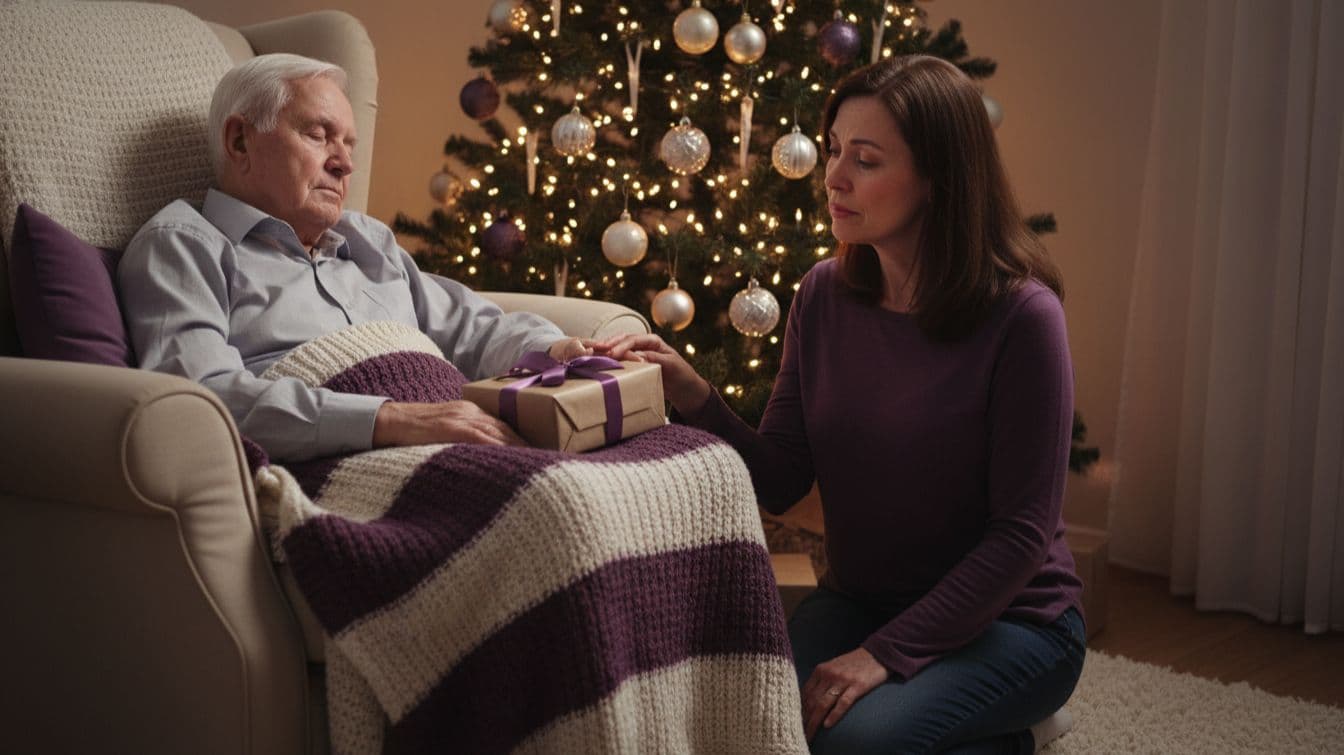
There's a weight to this holiday season that others around you may not feel. While neighbors hang lights and coworkers discuss travel plans, you carry a quiet knowledge: this might be the last one. The last Christmas with Dad. The last Hanukkah with Mom. The last holiday season with the person who has always been there.
This awareness changes everything. It sharpens gratitude and deepens grief simultaneously. It makes every moment feel precious and unbearable at the same time. If you're holding this weight this season, these words are for you.
Acknowledging the Reality
There's no right way to feel when facing a potentially final holiday with someone you love. You may feel desperate to make everything perfect. You may feel unable to summon any holiday spirit at all. You may swing between the two hourly.
All of these responses are normal. Anticipatory grief — the grief we feel before a loss actually occurs — is real and valid. You don't have to pretend to be okay. You don't have to perform holiday cheer you don't feel. And you don't have to hide your awareness of what's coming.
Some families find comfort in acknowledging the reality openly: "This Christmas is especially precious because we don't know how many more we'll have together." Others prefer to focus on the present moment without naming what looms ahead. Neither approach is wrong. Do what feels right for your family.
Creating Meaning Without Pressure
The temptation when facing a last holiday is to make it spectacular — to cram in every tradition, capture every moment, create memories that will have to last forever. This pressure, while understandable, can backfire.
Your loved one may not have energy for elaborate celebrations. They may not be able to eat the traditional meal, attend the family gathering, or stay awake for gift opening. Pushing for "one last perfect holiday" can create exhaustion and disappointment instead of treasured memories.
Instead, focus on what's actually possible. A quiet morning together may mean more than a house full of guests. A single meaningful conversation may matter more than a pile of gifts. Presence — yours and theirs — is the gift that counts.
Small Moments That Matter
When time is limited, small moments become profound. Consider holding hands while looking at the Christmas tree. Playing their favorite holiday music and sitting together in silence. Looking through photos of holidays past and letting them share memories they recall. Reading a beloved holiday story aloud, even if they drift in and out of sleep.
Telling them what they've meant to you — not in a formal speech, but in simple words: "I'm so grateful you're my dad." "Thank you for teaching me what the holidays really mean." "I love you."
These moments don't photograph well. They won't become social media posts. But they are the substance of a meaningful last holiday — connection, love, and presence.
Involving Other Family Members
If your loved one is up for visitors, consider how to make those visits meaningful without exhausting. Brief visits may work better than long ones. One-on-one time often allows for deeper connection than group gatherings.
Help family members understand the situation so they can prepare emotionally. Some may want to say things they've never said. Others may prefer to keep the visit light. Both are valid ways of saying goodbye.
For children, explain as much as is appropriate for their age: "Grandpa is very sick, and this Christmas is extra special because we want to show him how much we love him."
When They Can't Participate
If your loved one is too ill to engage in holiday activities, you can still bring the holiday to them. Set up a small tree where they can see it. Play soft carols in their room. Place a poinsettia where it catches light. Describe the snow outside, the smell of dinner cooking, the sounds of family gathering.
Your presence itself is a gift. Sitting beside them, holding their hand, being there — this is enough. It may feel like you're not "doing" anything, but accompaniment is one of the most profound things one human can offer another.
Caring for Yourself
You cannot pour from an empty cup, and anticipatory grief is exhausting. Give yourself permission to step away when you need to. To cry in the bathroom. To take a walk alone. To feel whatever you're feeling without judgment.
Accept help if it's offered. Let someone else handle the cooking, the cleaning, the logistics. Your job right now is presence — and that requires energy you need to protect.
Care Bliss: End-of-Life Support
Geriatric Care Solution's Care Bliss program provides compassionate end-of-life support for families navigating this sacred and difficult time. Our caregivers are trained in hospice-informed approaches, comfort care, and the emotional support that families need when time is limited.
Having professional support allows you to be family — to be the daughter, the son, the spouse — rather than being consumed by care tasks. It creates space for the moments that matter most.
Your Next Step
If this holiday season carries the weight of possible goodbye, you don't have to carry it alone. Support exists to help you create meaningful moments while caring for your loved one with dignity and comfort.
The Care Bliss program at Geriatric Care Solutions provides compassionate end-of-life support that allows families to focus on connection during precious final moments. Call 1-888-896-8275 or email ask@gcaresolution.com.